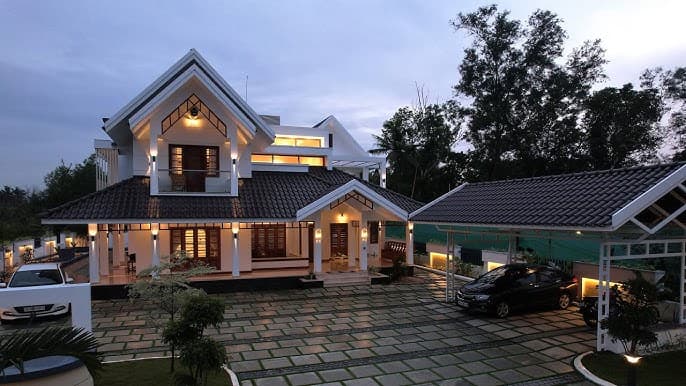
Modern Things
🏗️ Evolution of Modern Building Design
Architecture has always reflected the way people live, work, and interact with their surroundings. From traditional homes built around local materials and climate to today's intelligent, sustainable, and technology-driven buildings, the world of construction has changed dramatically.
Modern building design is no longer simply about creating attractive structures. It is about combining functionality, sustainability, technology, comfort, and aesthetics to create spaces that are prepared for the future.
From Traditional Architecture to Modern Design
Traditional buildings were strongly influenced by their geographical location, climate, culture, and locally available materials. Homes were designed to provide natural ventilation, shade, protection from weather, and comfortable living spaces.
As cities expanded and construction technology developed, architects began experimenting with new materials and structural techniques.
The introduction of materials such as:
- Reinforced concrete
- Structural steel
- Large glass panels
- Aluminium
- Engineered wood
- Advanced insulation materials
opened new possibilities for architectural design.
Buildings could now have larger openings, open floor plans, taller structures, and more creative forms.
The Rise of Minimalist Architecture
One of the most recognizable characteristics of modern architecture is minimalism.
Modern buildings often focus on clean lines, simple geometric forms, open spaces, and carefully selected materials. Instead of excessive decoration, the design emphasizes proportion, light, texture, and functionality.
Large windows, open-plan interiors, neutral materials, and seamless indoor-outdoor connections have become common features of contemporary homes and commercial buildings.
Modern architecture is not about adding more. It is about making every element meaningful.
Designing Around Natural Light
Natural lighting has become an important part of modern building design.
Architects increasingly use:
- Large windows
- Skylights
- Glass walls
- Courtyards
- Open stairwells
- Light wells
to bring daylight deeper into buildings.
Good use of natural light can make interior spaces feel larger and more comfortable while reducing dependence on artificial lighting during the day.
Sustainability at the Core
One of the biggest changes in modern architecture is the growing focus on sustainable construction.
Buildings consume significant amounts of energy and resources throughout their lifecycle. Modern architects and builders are therefore looking for ways to reduce environmental impact while improving the comfort of occupants.
Sustainable design can include:
- Energy-efficient windows
- Solar panels
- Rainwater harvesting
- Green roofs
- Natural ventilation
- Energy-efficient lighting
- Sustainable construction materials
- Improved thermal insulation
- Efficient water management
The goal is not simply to build a structure, but to create a building that works efficiently with its surrounding environment.
The Connection Between Indoor and Outdoor Spaces
Modern architecture increasingly blurs the boundary between indoor and outdoor living.
Large sliding doors, outdoor terraces, balconies, landscaped courtyards, rooftop gardens, and open living areas allow buildings to connect more naturally with their surroundings.
This approach is particularly valuable in residential architecture, where homeowners want spaces that can adapt to different activities throughout the day.
Technology Is Changing Buildings
Technology has become an integral part of modern building design.
Today's buildings can incorporate smart systems that control:
- Lighting
- Temperature
- Security
- Curtains and blinds
- Energy consumption
- Access control
- Home entertainment
- Appliances
Smart building technology allows occupants to monitor and manage their spaces more efficiently.
In larger commercial buildings, building management systems can also monitor energy usage, equipment performance, security, and environmental conditions.
New Materials, New Possibilities
Material innovation continues to influence architectural design.
Modern builders can choose from a wide range of materials that provide different combinations of strength, durability, appearance, and energy performance.
Concrete, steel, glass, timber, stone, aluminium, and composite materials can be combined to create structures that are both functional and visually distinctive.
The growing use of engineered and recycled materials is also contributing to more sustainable construction practices.
Architecture Designed Around People
Modern building design is increasingly focused on human experience.
A successful building should not only look impressive from the outside. It should also feel comfortable and intuitive to the people using it.
Architects consider factors such as:
- How people move through a space
- How rooms connect with one another
- Where natural light enters
- How sound travels
- How temperatures change
- How spaces can adapt over time
- How people interact with the surrounding environment
This human-centered approach helps transform buildings from structures into meaningful living and working environments.
The Future of Modern Building Design
The future of architecture will likely bring even greater integration between design, technology, and sustainability.
We can expect to see more:
- Net-zero and energy-efficient buildings
- Smart homes and smart cities
- Prefabricated and modular construction
- Sustainable and recycled materials
- AI-assisted architectural design
- Climate-responsive buildings
- Green infrastructure
- Flexible and adaptable spaces
The buildings of the future will need to respond not only to changing lifestyles but also to environmental challenges and technological advancements.
Conclusion
The evolution of modern building design is much more than a change in architectural appearance. It represents a fundamental shift in how we think about the relationship between people, buildings, technology, and the environment.
From traditional structures shaped by local conditions to intelligent and sustainable buildings designed for future generations, architecture continues to evolve.
The most successful modern buildings will be those that balance beauty with functionality, innovation with practicality, and modern technology with the natural environment.
As architects and builders continue to explore new ideas, the buildings we create today will shape the way future generations live, work, and experience the world around them.